Testimony of Tim Nicolette, Executive Director, Massachusetts Charter Public School Association, Joint Committee on Ways and Means
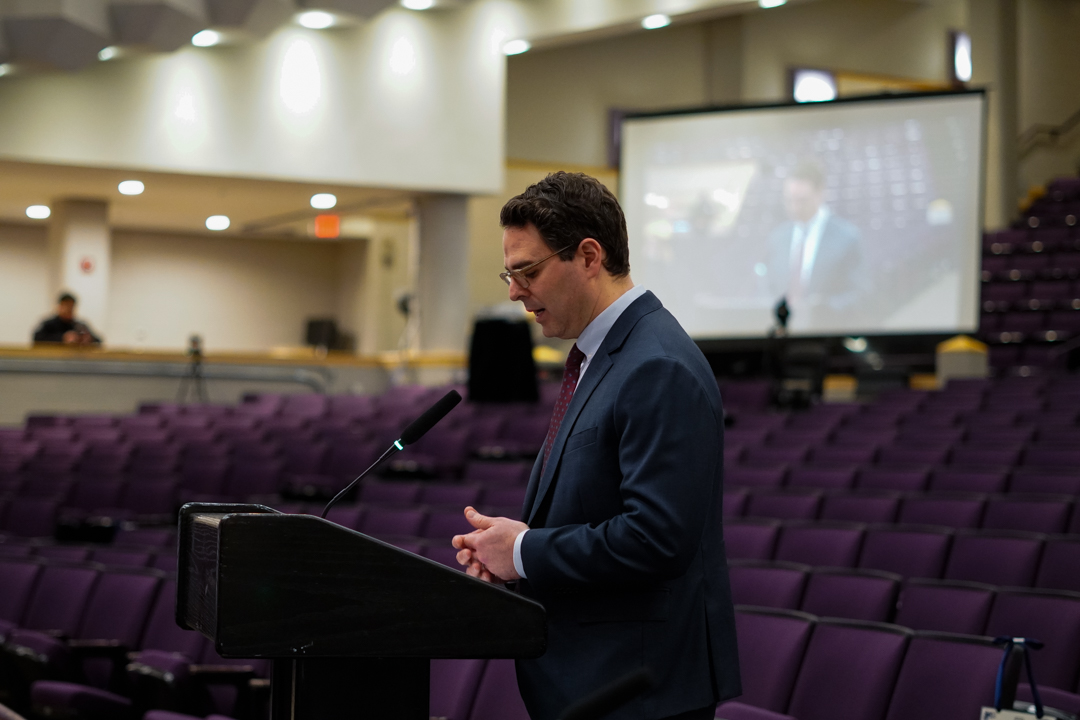
March 23, 2026 | Tim Nicolette, MCPSA Executive Director
Good afternoon, Senator Payano, Representative Duffy, and members of the committee. My name is Tim Nicolette, and I am the Executive Director of the Massachusetts Charter Public School Association. We represent Commonwealth charter public schools – free public schools, open to all students, located in and serving constituents of many of your districts. I am honored to be here today, joining my peers from other public education organizations.
For 31 years, charter public schools have been an important part of our state’s public education system, and we work diligently to help improve educational opportunities for all children, in all public schools, across the Commonwealth. We are grateful to have partnered with your committee and many of our peers in public education on meaningful initiatives – from the Student Opportunity Act, to universal school meals, to the Educator Diversity Act to, most recently, research-based early literacy instruction.
Charter public schools were created, with bipartisan support, as one means of addressing long-standing educational inequities. Since our first schools opened in 1995, charter public schools have given Massachusetts families valuable options within the public education system – enabling them to decide which public school is the right school for their child. Today, our schools serve over 46,000 students, each admitted through a blind lottery, with an additional 21,000 children on wait lists. 77% of our students identify as students of color. Over one-third speak a first language other than English, and 56% come from low-income homes.
Our students are public school children – just like those who attend traditional public schools and vocational technical public schools. And they rely on your support.
Charter public schools are subject to the same challenges that face public schools all across the Commonwealth – including increased costs, such as skyrocketing health insurance and inflation, reduced revenues, intensified needs, and the resultant deeply difficult choices, at times leading to staff layoffs and programmatic cuts.
About 20% of our schools are in Boston, 50% are in Gateway Cities, and the remaining 30% are in suburban and rural communities, so we know the unique financial challenges facing each of these communities. The financial challenges public schools are facing today are deep, they are real, and there are no signs that they will go away anytime soon.
We are grateful for your partnership and for the thoughtful investment of resources in the Governor’s budget proposal, even amidst a challenging fiscal environment. We commend the full implementation of the final year of the Student Opportunity Act, full funding of charter transitional aid for districts, and ongoing investment in universal free school meals, Literacy Launch, early college, and college and career readiness programming.
Charter public schools face an additional, unique financial challenge when it comes to funding. While educational funding is equitable regardless of what type of public school a child attends, the same is, unfortunately, not true for facilities funding. Today, charter public school students receive approximately $700 less each year for their school building than their siblings, friends, and neighbors who attend traditional public schools. Put simply, for every dollar spent on facilities for traditional public school students, charter public school students receive only 63 cents – creating two separate and unequal tiers within the Commonwealth’s public education system.
As facilities costs continue to rise, charter public school leaders are being forced into impossible tradeoffs. They are deciding between investing in academic programming that prepares students for the future or addressing urgent infrastructure needs – like replacing failing heating systems or repairing leaking roofs. Without adequate facilities funding, these are not hypothetical choices – they are daily realities that directly impact students.
In 15 out of the last 18 budget cycles, charter facilities funding has remained flat, while district capital spending has rapidly increased as costs of labor, materials, and inflation have risen. The Healey-Driscoll Administration has proposed modestly addressing this $700 per student gap with a $100 per student increase in charter facilities funding in the FY27 budget. We are deeply grateful – and we humbly ask that the Legislature increase this investment, further closing an inequity that has been growing for nearly two decades.
We know that many, very challenging decisions lie before you, not just in this FY27 budget but beyond. As the final year of the Student Opportunity Act is upon us, a critical question facing the Commonwealth is, what comes next? As we look to the future, it will be critical that we tackle this question together – elected leaders; families; community members; and diverse educators and leaders from all corners of the public education system, including charter public schools, much like today.
I’m confident that we can all agree that all of our children – regardless of what type of public school they attend – should stand on an equitable playing field, all receiving the educational opportunities, and financial resources, that they need in order to thrive. And that is ultimately what we ask. We implore you to treat all of the Commonwealth’s public school children as our children.
We are deeply grateful for your partnership and look forward to our continued work together. Thank you for all you do on behalf of public school children, families, and educators all across Massachusetts.